
Moody’s Expanding Inquiry
Life After LifeThis thread traces Raymond Moody’s growing body of reports from a tentative personal investigation toward a call for broader, systematic study.
increasing Bearing strength in each event
 decreasing
Bearing strength in each eventdecreasingInitial Case Gathering
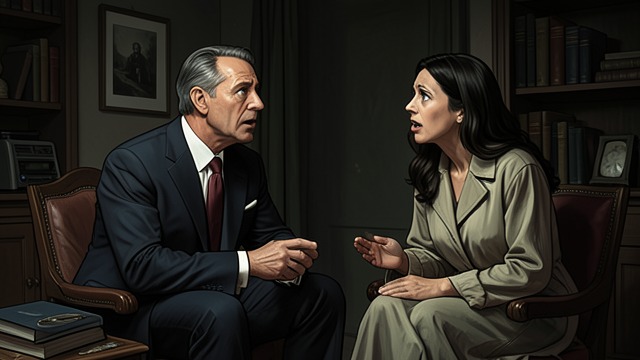
An Unsettled Question
Listening to Accounts
Raymond Moody gathers accounts from people who survived grave illness or injury. Their reports prompt an inquiry into experiences connected with approaching death.
A Tentative Pattern
He notices recurring features but does not claim that they prove an afterlife. The early task is to describe what people say happened.
First Book Published

A Model Takes Shape
Common Elements
In Life After Life, Moody sets out a composite sequence of experiences, including separation from the body, a life review, and reluctance to return. It gives readers a vocabulary for comparing accounts.
A Testable Prediction
He expects other sympathetic investigators to find similar cases. The book presents a beginning for research, not a final explanation.
More Reports Arrive

The Evidence Broadens
New Interviews
Moody continues interviewing people and receives many additional reports. Familiar elements recur, while some subjects describe unfamiliar features such as a realm of knowledge or a luminous city.
Doubt About Repeatability
The growing collection answers one of Moody’s anxieties: perhaps the first cases were not an accidental handful. Repetition makes the phenomenon more worthy of independent investigation.
Independent Researchers Respond
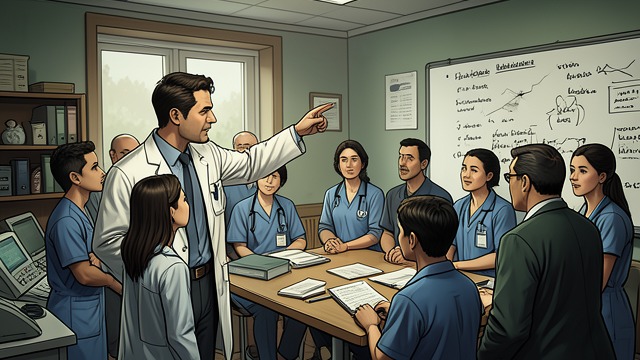
Corroboration Beyond One Investigator
Parallel Work
Moody learns that Elisabeth Kübler-Ross and other professionals have also heard comparable accounts. Their work suggests the reports are not confined to his own interviews.
Public Disclosure
People increasingly describe their experiences openly after lectures. The shift makes the subject more visible while raising questions about whether publicity may shape later reports.
Call for Systematic Study
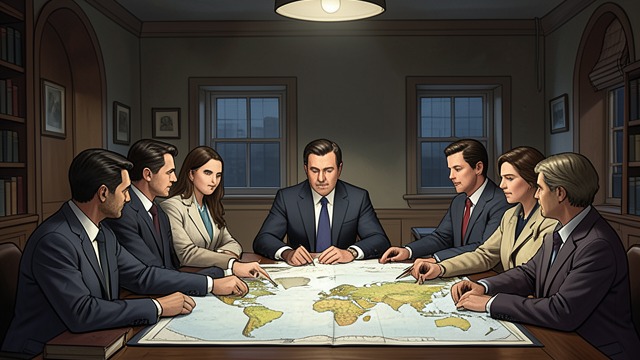
From Anecdote to Method
Limits Acknowledged
Moody emphasizes that his collected interviews are not a random sample and cannot establish how often particular features occur. He distinguishes intriguing testimony from controlled scientific evidence.
A Wider Research Program
He proposes prospective studies, medical records, and interdisciplinary collaboration. The inquiry ends not with proof, but with an invitation to test focused hypotheses.
During the research preceding Life After Life
After the publication of Life After Life
In the period after the first book appeared
As the second book is being prepared
Near the end of Reflections on Life After Life
